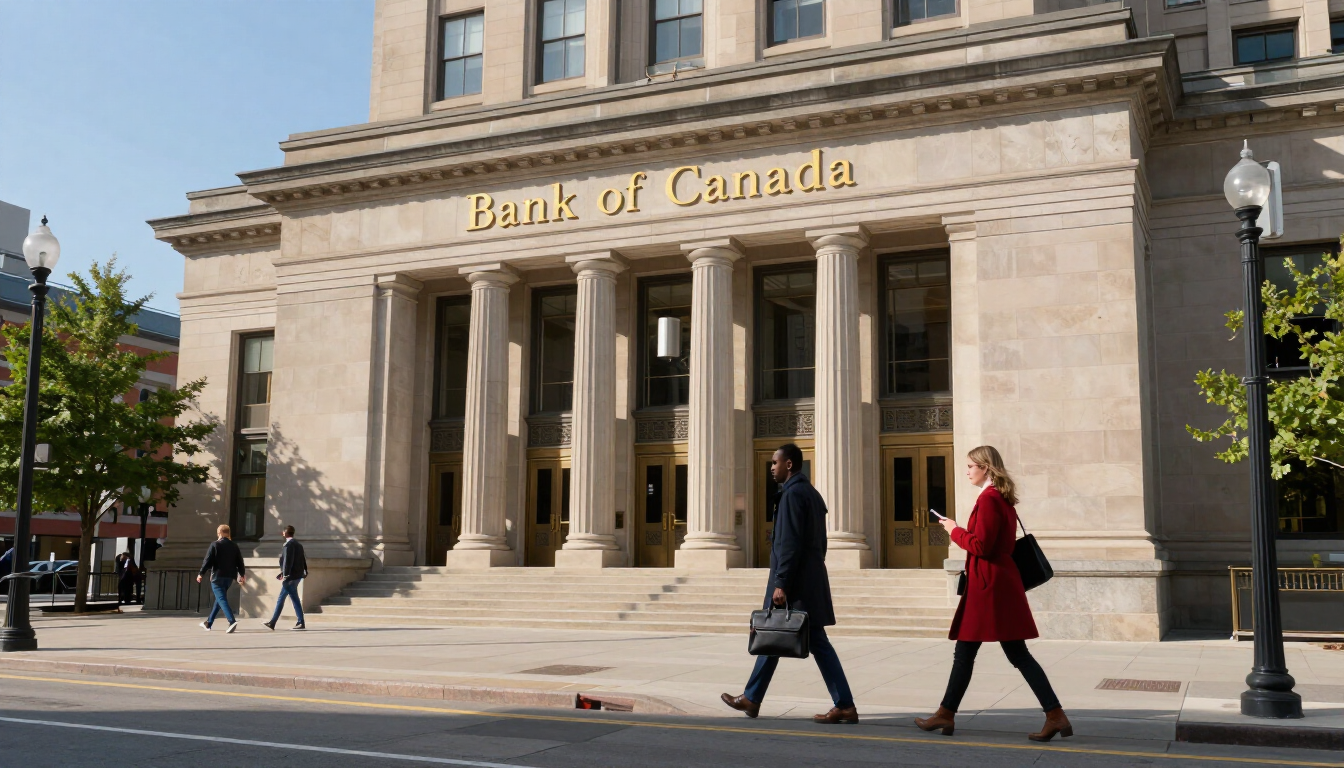
Bank of Canada Rate Announcement Jul 13th, 2022

Candice Liberatore • July 13, 2022

Bank of Canada increases policy interest rate by 100 basis points, continues quantitative tightening.


FOR IMMEDIATE RELEASE

Media Relations

Ottawa, Ontario

July 13, 2022


The Bank of Canada today increased its target for the overnight rate to 2½%, with the Bank Rate at 2¾% and the deposit rate at 2½%. The Bank is also continuing its policy of quantitative tightening (QT).


Inflation in Canada is higher and more persistent than the Bank expected in its April Monetary Policy Report (MPR), and will likely remain around 8% in the next few months. While global factors such as the war in Ukraine and ongoing supply disruptions have been the biggest drivers, domestic price pressures from excess demand are becoming more prominent. More than half of the components that make up the CPI are now rising by more than 5%. With this broadening of price pressures, the Bank’s core measures of inflation have moved up to between 3.9% and 5.4%. Also, surveys indicate more consumers and businesses are expecting inflation to be higher for longer, raising the risk that elevated inflation becomes entrenched in price- and wage-setting. If that occurs, the economic cost of restoring price stability will be higher.


Global inflation is higher, reflecting the impact of the Russian invasion of Ukraine, ongoing supply constraints, and strong demand. Many central banks are tightening monetary policy to combat inflation, and the resulting tighter financial conditions are moderating economic growth. In the United States, high inflation and rising interest rates are contributing to a slowdown in domestic demand. China’s economy is being held back by waves of restrictive measures to contain COVID-19 outbreaks. Oil prices remain high and volatile. The Bank now expects global economic growth to slow to about 3½% this year and 2% in 2023 before strengthening to 3% in 2024.


Further excess demand has built up in the Canadian economy. Labour markets are tight with a record low unemployment rate, widespread labour shortages, and increasing wage pressures. With strong demand, businesses are passing on higher input and labour costs by raising prices. Consumption is robust, led by a rebound in spending on hard-to-distance services. Business investment is solid and exports are being boosted by elevated commodity prices. The Bank estimates that GDP grew by about 4% in the second quarter. Growth is expected to slow to about 2% in the third quarter as consumption growth moderates and housing market activity pulls back following unsustainable strength during the pandemic.


The Bank expects Canada’s economy to grow by 3½% in 2022, 1¾% in 2023, and 2½% in 2024. Economic activity will slow as global growth moderates and tighter monetary policy works its way through the economy. This, combined with the resolution of supply disruptions, will bring demand and supply back into balance and alleviate inflationary pressures. Global energy prices are also projected to decline. The July outlook has inflation starting to come back down later this year, easing to about 3% by the end of next year and returning to the 2% target by the end of 2024.


With the economy clearly in excess demand, inflation high and broadening, and more businesses and consumers expecting high inflation to persist for longer, the Governing Council decided to front-load the path to higher interest rates by raising the policy rate by 100 basis points today. The Governing Council continues to judge that interest rates will need to rise further, and the pace of increases will be guided by the Bank’s ongoing assessment of the economy and inflation. Quantitative tightening continues and is complementing increases in the policy interest rate. The Governing Council is resolute in its commitment to price stability and will continue to take action as required to achieve the 2% inflation target.


Information note


The next scheduled date for announcing the overnight rate target is September 7, 2022. The Bank will publish its next full outlook for the economy and inflation, including risks to the projection, in the MPR on October 26, 2022.


Candice Liberatore
By Candice Liberatore March 4, 2026
How to Start Saving for a Down Payment (Without Overhauling Your Life) Let’s face it—saving money isn’t always easy. Life is expensive, and setting aside extra cash takes discipline and a clear plan. Whether your goal is to buy your first home or make a move to something new, building up a down payment is one of the biggest financial hurdles. The good news? You don’t have to do it alone—and it might be simpler than you think. Step 1: Know Your Numbers Before you can start saving, you need to know where you stand. That means getting clear on two things: how much money you bring in and how much of it is going out. Figure out your monthly income. Use your net (after-tax) income, not your gross. If you’re self-employed or your income fluctuates, take an average over the last few months. Don’t forget to include occasional income like tax returns, bonuses, or government benefits. Track your spending. Go through your last 2–3 months of bank and credit card statements. List out your regular bills (rent, phone, groceries), then your extras (dining out, subscriptions, impulse buys). You might be surprised where your money’s going. This part isn’t always fun—but it’s empowering. You can’t change what you don’t see. Step 2: Create a Plan That Works for You Once you have the full picture, it’s time to make a plan. The basic formula for saving is simple: Spend less than you earn. Save the difference. But in real life, it’s more about small adjustments than major sacrifices. Cut what doesn’t matter. Cancel unused subscriptions or set a dining-out limit. Automate your savings. Set up a separate “down payment” account and auto-transfer money on payday—even if it’s just $50. Find ways to boost your income. Can you pick up a side job, sell unused stuff, or ask for a raise? Consistency matters more than big chunks. Start small and build momentum. Step 3: Think Bigger Than Just Saving A lot of people assume saving for a down payment is the first—and only—step toward buying a home. But there’s more to it. When you apply for a mortgage, lenders look at: Your income Your debt Your credit score Your down payment That means even while you’re saving, you can (and should) be doing things like: Building your credit score Paying down high-interest debt Gathering documents for pre-approval That’s where we come in. Step 4: Get Advice Early Saving up for a home doesn’t have to be a solo mission. In fact, talking to a mortgage professional early in the process can help you avoid missteps and reach your goal faster. We can: Help you calculate how much you actually need to save Offer tips to strengthen your application while you save Explore alternate down payment options (like gifts or programs for first-time buyers) Build a step-by-step plan to get you mortgage-ready Ready to get serious about buying a home? We’d love to help you build a plan that fits your life—and your goals. Reach out anytime for a no-pressure conversation.
By Candice Liberatore February 25, 2026
Your Guide to Real Estate Investment in Canada Real estate has long been one of the most popular ways Canadians build wealth. Whether you’re purchasing your first rental property or expanding an existing portfolio, understanding how real estate investment works in Canada—and how it’s financed—is key to making smart decisions. This guide walks through the fundamentals you need to know before getting started. Why Canadians Invest in Real Estate Real estate offers several potential benefits as an investment: Long-term appreciation of property value Rental income that can support cash flow Leverage , allowing you to invest using borrowed funds Tangible asset with intrinsic value Portfolio diversification beyond stocks and bonds When structured properly, real estate can support both income and long-term net worth growth. Types of Real Estate Investments Investors typically focus on one or more of the following: Long-term residential rentals Short-term or vacation rentals (subject to local regulations) Multi-unit residential properties Pre-construction or assignment purchases Value-add properties that require renovations Each type comes with different financing rules, risks, and return profiles. Down Payment Requirements for Investment Properties In Canada, investment properties generally require higher down payments than owner-occupied homes. Typical minimums include: 20% down payment for most rental properties Higher down payments may be required depending on: Number of units Property type Borrower profile Lender guidelines Down payment source, income stability, and credit history all play a role in approval. How Rental Income Is Used to Qualify Lenders don’t always count 100% of rental income. Depending on the lender and mortgage product, they may: Use a rental income offset , or Include a percentage of rental income toward qualification Understanding how income is treated can significantly impact borrowing power. Financing Options for Investors Investment financing can include: Conventional mortgages Insured or insurable options (in limited scenarios) Alternative or broker-only lenders Refinancing equity from existing properties Purchase plus improvements for value-add projects Access to multiple lenders is often crucial for investors as portfolios grow. Key Costs Investors Should Plan For Beyond the purchase price, investors should budget for: Property taxes Insurance Maintenance and repairs Vacancy periods Property management fees (if applicable) Legal and closing costs A realistic cash-flow analysis is essential before buying. Risk Considerations Like any investment, real estate carries risk. Key factors to consider include: Interest rate changes Market fluctuations Tenant turnover Regulatory changes Liquidity (real estate is not easily sold quickly) A strong financing structure can help manage many of these risks. The Role of a Mortgage Professional Investment mortgages are rarely “one-size-fits-all.” Lender policies vary widely, especially as you acquire more properties. Working with an independent mortgage professional allows you to: Compare multiple lender strategies Structure financing for long-term growth Preserve flexibility as your portfolio evolves Avoid costly mistakes early on Final Thoughts Real estate investment in Canada can be a powerful wealth-building tool when approached with a clear strategy and proper financing. Whether you’re exploring your first rental property or planning your next acquisition, understanding the numbers—and the lending landscape—matters. If you’d like to discuss investment property financing, run the numbers, or explore your options, feel free to connect. A well-planned mortgage strategy can make all the difference in long-term success.